Caps, Gowns and New Beginnings
Friday, May 22, 2026
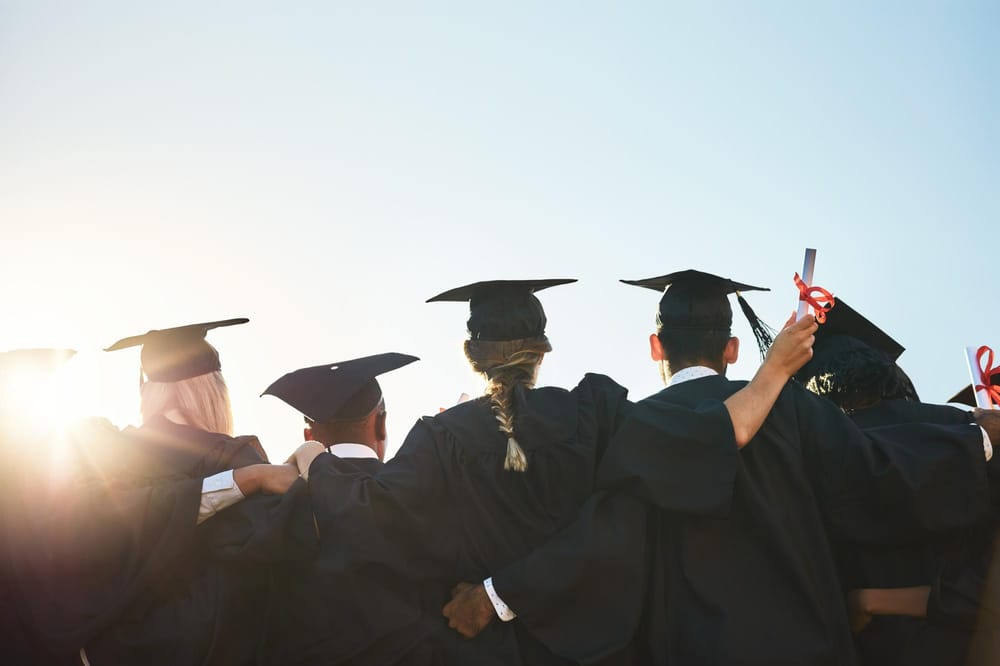
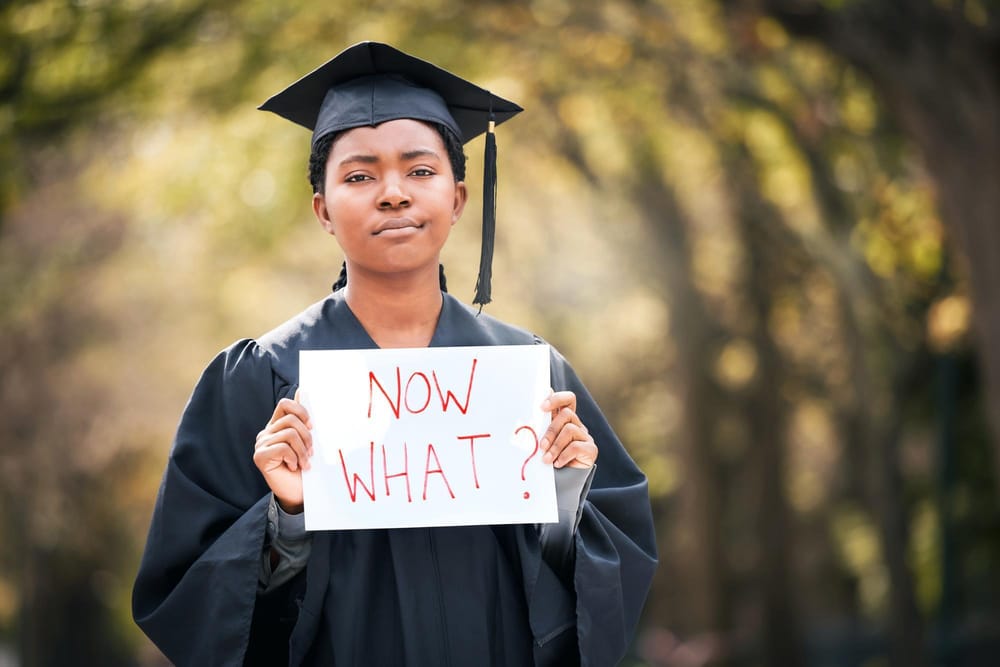
Commencement season is about more than diplomas
it is a celebration of growth, resilience and the promise of what comes next.
Across communities, graduation season is filling auditoriums, stadiums and family calendars with excitement. For thousands of seniors, the walk across the stage represents much more than the end of classes. It marks the beginning of a new chapter shaped by years of learning, personal growth and the anticipation of life ahead.
Whether students are headed to college, entering the workforce, joining the military or pursuing advanced degrees, graduation is a moment to pause, reflect and look forward.
“The most valuable part of education is not just what students know, but who they become in the process.”
More Than a Diploma
A diploma is a tangible symbol of achievement, but graduates often say the most valuable lessons from school cannot be framed.
Over the course of their education, students learn how to manage deadlines, solve problems, work with others and persevere when life does not go according to plan. They discover how to think critically, communicate effectively and adapt to changing circumstances.
For many, the greatest lesson is confidence.
“Graduation is proof that you can set a goal, work toward it and accomplish something meaningful,” said many educators and counselors who guide students through this milestone each year. “That belief becomes the foundation for whatever comes next.”
Students also leave school with friendships, memories and mentors that shape their values and perspectives long after graduation day.
“Success rarely follows a straight line. The students who learn to adapt, persevere and keep learning are the ones best prepared for whatever comes next.”
Lessons Learned Along the Way
Every graduate’s story is different. Some students thrived in the classroom from the beginning. Others struggled, changed direction or overcame obstacles that were invisible to those around them. Yet despite their varied experiences, most leave school with a common set of life lessons that will serve them well long after the final bell rings or the last exam is completed.
These lessons are not always listed on a transcript, but they may be the most valuable part of any education.
Resilience: Learning to Get Back Up
One of the most important lessons students learn is how to keep going when things do not go as planned.
Nearly every graduate has experienced setbacks—difficult classes, disappointing grades, failed tests, rejected applications, injuries, financial stress or personal hardships. Some students have balanced school while caring for family members or working part-time jobs. Others have navigated social pressures, mental health challenges or uncertainty about their future.
What sets successful graduates apart is not the absence of obstacles, but their ability to respond to them.
Resilience teaches students that failure is not the end of the story. A poor grade can become motivation to study differently. A rejection letter can open the door to a better opportunity. Unexpected changes can reveal strengths students did not know they possessed.
This ability to recover, adapt and continue moving forward is one of the most essential skills for adulthood, where careers, relationships and personal goals often involve detours and setbacks.

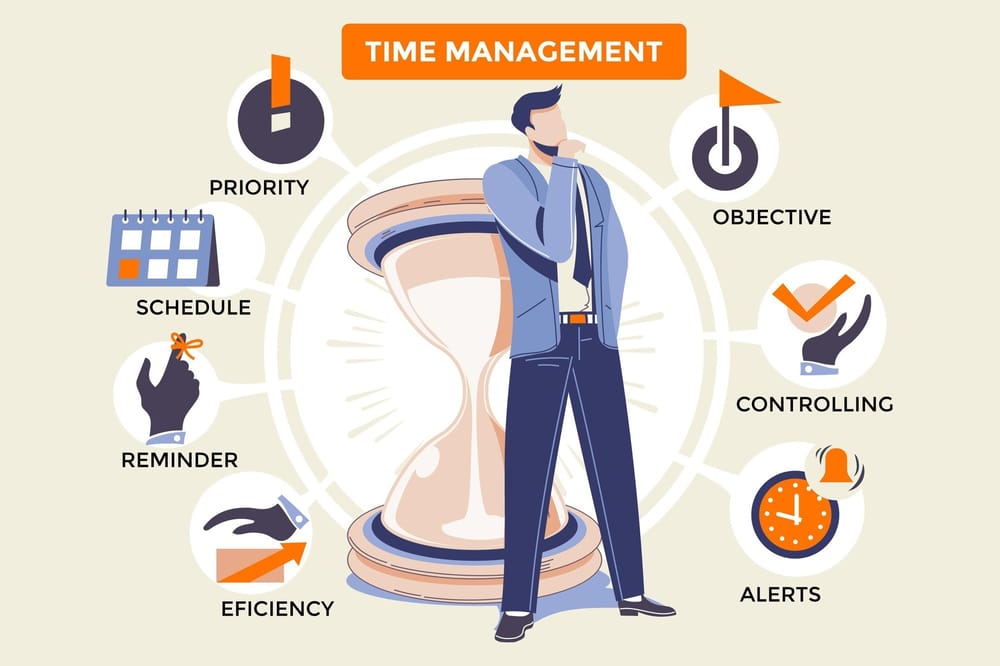
Time Management: Making Every Hour Count
For many students, school is their first experience juggling multiple responsibilities at once.
Classes, homework, sports practices, club meetings, jobs, volunteer work and family obligations all compete for attention. Learning to meet deadlines and prioritize tasks becomes a daily exercise in discipline.
Students quickly discover that success is less about having more time and more about using time effectively.
They learn practical skills such as planning ahead, breaking large projects into manageable steps, avoiding procrastination and focusing on what matters most. They also begin to understand the importance of balance—knowing when to work hard and when to rest and recharge.
These habits become invaluable in adulthood, where managing schedules, budgets, careers and family life requires thoughtful organization and consistent effort.
Collaboration: Working With Others
Very few meaningful accomplishments happen in isolation.
Throughout their education, students are asked to work alongside classmates, teammates, teachers and mentors. Whether they are completing group projects, performing in music ensembles, participating in athletics or serving in student organizations, they learn how to contribute to something larger than themselves.
Collaboration teaches important interpersonal skills, including listening, communicating clearly, resolving disagreements and respecting different viewpoints.
Students also learn that every person brings unique strengths to the table. One individual may excel at organizing, another at creative thinking and another at leadership. When these talents are combined, the result is often stronger than any one person could achieve alone.
In the workplace and in the community, the ability to work effectively with others is one of the most sought-after and valuable skills.
Independence: Taking Ownership of Life
Graduation is a milestone because it represents growing self-reliance.
Over the years, students are increasingly asked to make important decisions for themselves. They choose courses, set goals, manage their responsibilities and begin exploring what they want their future to look like.
With each decision comes greater accountability.
Students learn that their choices have consequences and that progress depends largely on their willingness to take responsibility. They begin to trust their own judgment and gain confidence in their ability to navigate uncertainty.
Independence does not mean having all the answers. It means learning how to ask questions, seek guidance and make thoughtful decisions.
As graduates move into college, careers or other pursuits, this sense of ownership becomes the foundation for building meaningful and purposeful lives.
Lifelong Learning: Education Never Truly Ends
Perhaps the greatest lesson students take with them is that graduation is not the conclusion of learning, but the beginning of a new stage.
The world is constantly changing. Technology evolves, industries transform and new opportunities emerge. Those who continue asking questions and seeking knowledge are best prepared to adapt and succeed.
Lifelong learning can take many forms—earning advanced degrees, completing professional certifications, reading widely, developing new skills or learning through experience.
More importantly, it reflects a mindset of curiosity and humility: the understanding that there is always more to discover.
Graduates who embrace this perspective will continue to grow throughout their careers and personal lives, finding new ways to contribute, innovate and make a difference in their communities.
The Lessons That Matter Most
While diplomas recognize academic achievement, the deeper value of education lies in the character and capabilities students develop along the way.
Resilience helps them face adversity. Time management teaches discipline. Collaboration strengthens relationships. Independence builds confidence. Lifelong learning keeps them moving forward.
Together, these lessons prepare graduates not just to earn a living, but to build fulfilling lives and make meaningful contributions to the world around them.
Standing at the Edge of Opportunity
Graduation often brings a mix of emotions—pride, relief, excitement and uncertainty.
High school seniors may be preparing to attend universities, enroll in trade schools, begin apprenticeships or start their first full-time jobs. College graduates may be launching careers in healthcare, education, engineering, business, agriculture and countless other fields.
Some are pursuing graduate school. Others are taking a gap year to explore their interests and gain experience.
No matter the path, graduation serves as a reminder that there is no single definition of success. What matters most is choosing a direction that aligns with personal goals and values.

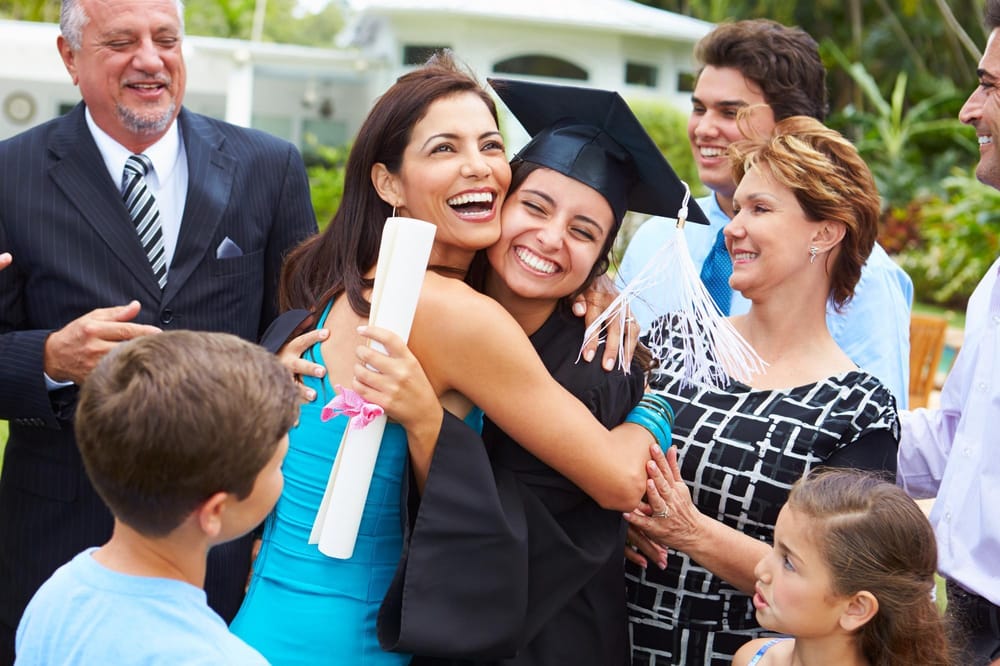
A Season of Celebration for Families
For parents, grandparents, teachers and mentors, graduation is both a celebration and a reflection on years of encouragement and support.
Families remember science fair projects, late-night study sessions, early morning practices and the countless small moments that led to this milestone.
Graduation ceremonies offer a chance to recognize not only academic accomplishments, but also the dedication of everyone who helped students reach the finish line.
“Graduation is not just about where students have been. It is about where they are capable of going.”
The Real World Begins
The transition from student life to adulthood can feel both exhilarating and intimidating.
Graduates will soon face decisions about careers, finances, relationships and personal goals. Many will discover that success rarely follows a straight line. Plans change, opportunities emerge and setbacks become valuable teachers.
The good news is that education has prepared them for more than tests and assignments. It has equipped them with the ability to learn, adapt and grow.
Employers consistently value skills such as communication, reliability, teamwork and problem-solving—qualities students develop throughout their academic journey.
A Proud Moment for Families
Graduation is also a meaningful milestone for parents, grandparents, teachers and mentors who have supported students along the way.
Behind every diploma are years of encouragement, sacrifices and countless moments of guidance. Families have helped with homework, attended performances and games, offered advice and provided steady support during both triumphs and setbacks.
For many, watching a graduate cross the stage is both emotional and deeply rewarding—a visible reminder that their investment of time, love and patience has helped shape a young adult ready to take on the world.
“No one has all the answers at graduation, and that is perfectly normal. What matters most is the willingness to take the next step.”
As graduates turn their tassels and step into the next chapter, they carry more than academic knowledge. They carry resilience, discipline, curiosity and the confidence that they can navigate an ever-changing world. The future may be uncertain, but it is also filled with opportunity. And for the Class of 2026, the best lessons may still be ahead.
- Stay curious and keep learning.
- Remember that character matters as much as achievement.
- Define success on your own terms.
- Work hard, but remain flexible.
- Build relationships with mentors and peers.
- Do not be afraid to make mistakes.
Key Takeaways:
- Graduation represents both an ending and an exciting new beginning.
- Lifelong learning and adaptability will be key to future success.
- Families and mentors play a vital role in helping students reach this milestone.
- Graduates are pursuing many paths, including careers, college, military service and advanced education.
- Students gain life skills such as resilience, collaboration and independence.

Hi, I Am Cub Reporter
CEO Of
573 Local
What's Up in Columbia
Welcome to What's Up in Columbia, Mo is about Local Events, Deals, Things to Do and Business.

Subscribe to our Weekly Newsletter
You just read about this...
Super excited about getting local events every week? We are, too!
Have you ever missed an event? Get access to local events, discounts and savings