How A Small Daily Change Works - The One/Tenth Improvement
Wednesday, May 13, 2026
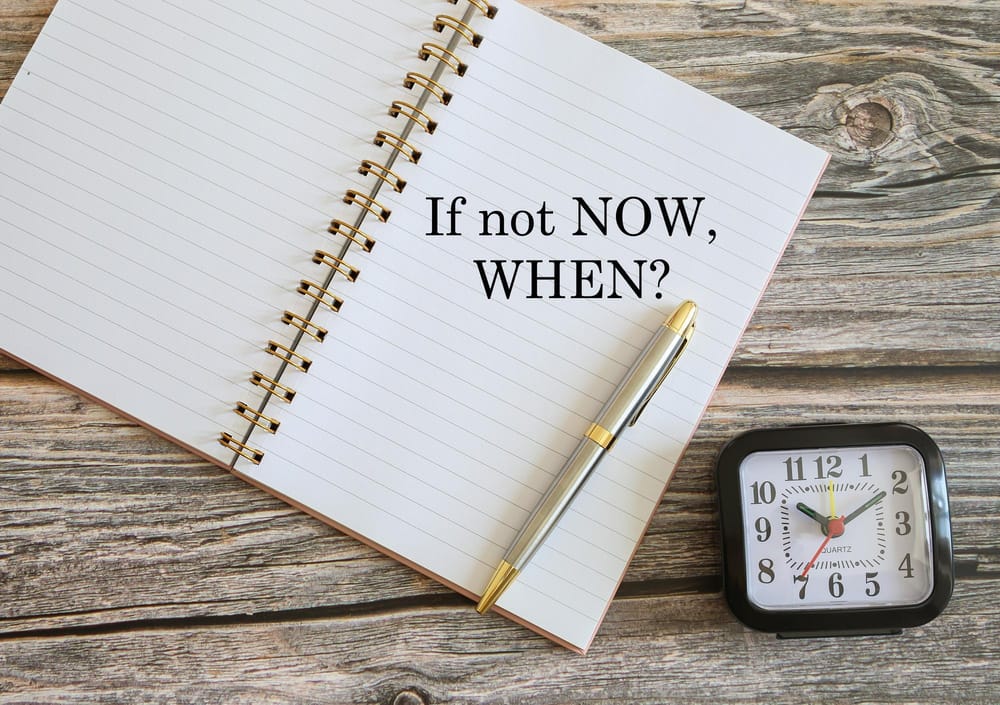
There’s a familiar moment most of us recognize: life feels like a circus—everyone needs something, calendars fill up, and suddenly you hear (yourself or someone else) say, “I don’t have time for that.”
But here’s the surprising truth: you don’t lack time as much as you lack set-aside time. The difference isn’t what you want—it’s what you consistently do.
That’s the heart of the idea I call The One/Tenth Improvement: instead of trying to overhaul your life, you make one small improvement—roughly a tenth of what you think you should do—and you repeat it daily. Not because it’s flashy. Because it’s cumulative.
Why “Just Ten Percent” Works
Big goals often trigger two problems:
1. They require momentum before you feel ready.
2. They create guilt when you miss a day.
The One/Tenth Improvement bypasses both.
- It’s small enough to start even when you’re tired.
- It’s consistent enough to create momentum.
- It’s forgiving enough that you don’t need perfect days to make progress.
If you’ve ever wondered why “nine minutes at a time” has such a powerful effect, this is the same engine. A short daily reset doesn’t merely change your schedule—it changes your direction.
The Daily Mechanism: A Reset That Makes You Faster
A daily reset isn’t about scrubbing your whole life in one sitting. It’s about doing two things well:
- Notice what’s happening (without judgment)
- Adjust one thing (with intention)
Think of it like steering. You don’t steer a ship by turning the wheel wildly—you steer it by making small corrections consistently.
The One/Tenth Improvement Framework (10 Minutes or Less)
You can adapt the steps below to your life. The point is simple: give yourself a short container for clarity and then pick one improvement to apply.
1) Start with gratitude (30–60 seconds)
Gratitude slows the spiral of frustration. Choose one or two things that are going okay—no performance required.
Example: “I’m grateful for one conversation that went well.”
2) Review your day with two questions
- What went well?
- What needs to change?
You’re not writing a novel. You’re capturing signals.
3) Close one decision loop
Open loops silently drain your brain—like a sticky note your mind keeps re-reading.
Ask:
- What am I still deciding?
- What decision can I make today (or schedule this week)?
Then do the smallest next action that closes the loop.
Example: “I’ll send the email” or “I’ll decide by Friday at 3pm.”
4) Choose your one improvement (the tenth)
This is the core move.
Pick one:
- a task you’ll do
- a habit you’ll practice
- a boundary you’ll set
- a conversation you’ll have
- a distraction you’ll cut
Then define it in a way you can actually complete.
Strong: “I’ll spend 10 minutes reorganizing one area of the house.”
Too vague: “I’ll get my life together.”
5) Edit the rest: surrender, outsource, or stop
Ask:
- What can I stop carrying today?
- What can be postponed?
- What can be delegated?
This prevents your improvement from being swallowed by “everything else.”
6) Decide the next thought (or perspective shift)
Progress isn’t only behavioral—it’s mental.
Ask:
- What should I think differently tomorrow?
One new thought can change what you notice, what you tolerate, and what you pursue.
What This Looks Like in Real Life
The One/Tenth Improvement isn’t a productivity hack. It shows up anywhere your life tends to get stuck.
- When you feel behind: you reset, review, and take one small next step.
- When stress builds: you clear your mind and reduce mental load.
- When relationships feel distant: you choose one tenth step toward reconnection.
- When your home feels chaotic: you bring order to one small area.
- When burnout whispers: you recover attention and regulate your nervous system through a calm check-in.
The theme is consistent: you’re not waiting for perfect conditions—you’re creating them.
The Mindset Shift: You Can’t “Find” Time—You Set It Apart
If time is the obstacle, the solution is not more willpower.
The solution is structure.
The One/Tenth Improvement asks you to treat your daily reset as a non-negotiable appointment with your future self. Even when life is loud, you’re carving out a small quiet space.
That’s how people break the cycle of “I’ll do it when things calm down.” Things rarely calm down.
But small daily corrections? They compound.
Why It Feels Like Craving Progress
The longer you do it, the more you notice something: the reset becomes part of your identity.
Instead of dread, you get a subtle sense of relief:
- your mind stops spinning
- your next steps become clearer
- you feel less like you’re “catching up” and more like you’re moving forward
And then the improvement stops feeling optional.
A Simple 7-Day Starter Plan
If you want a starting point that actually sticks:
Day 1: Do the review + choose one improvement.
Day 2: Close one decision loop.
Day 3: Choose a small “order” action (home, desk, inbox, schedule).
Day 4: Reconnect with one person (message, check-in, gratitude).
Day 5: Edit one commitment (surrender/stop/delegate).
Day 6: Make one health-leaning choice (walk, water, sunlight, stretch).
Day 7: Review patterns: what made the biggest difference?
Your “one tenth” may evolve. The practice stays.
The Promise: Exponential Change from Everyday Consistency
A one-time transformation is tempting.
A daily improvement is reliable.
The One/Tenth Improvement doesn’t ask you to become a new person overnight. It helps you become that person in increments—so you’re not waiting for motivation to arrive.
You’re building it.
And somewhere along the way, you’ll realize the biggest shift wasn’t what you accomplished.
It was this:
You stopped floating through life—and started steering.

Hi, I Am Cub Reporter
CEO Of
573 Local
What's Up in Columbia
Welcome to What's Up in Columbia, Mo is about Local Events, Deals, Things to Do and Business.

Subscribe to our Weekly Newsletter
You just read about this...
Super excited about getting local events every week? We are, too!
Have you ever missed an event? Get access to local events, discounts and savings